
Cover
Growing a future in North Iraq
Displacement
Goto first page Goto first page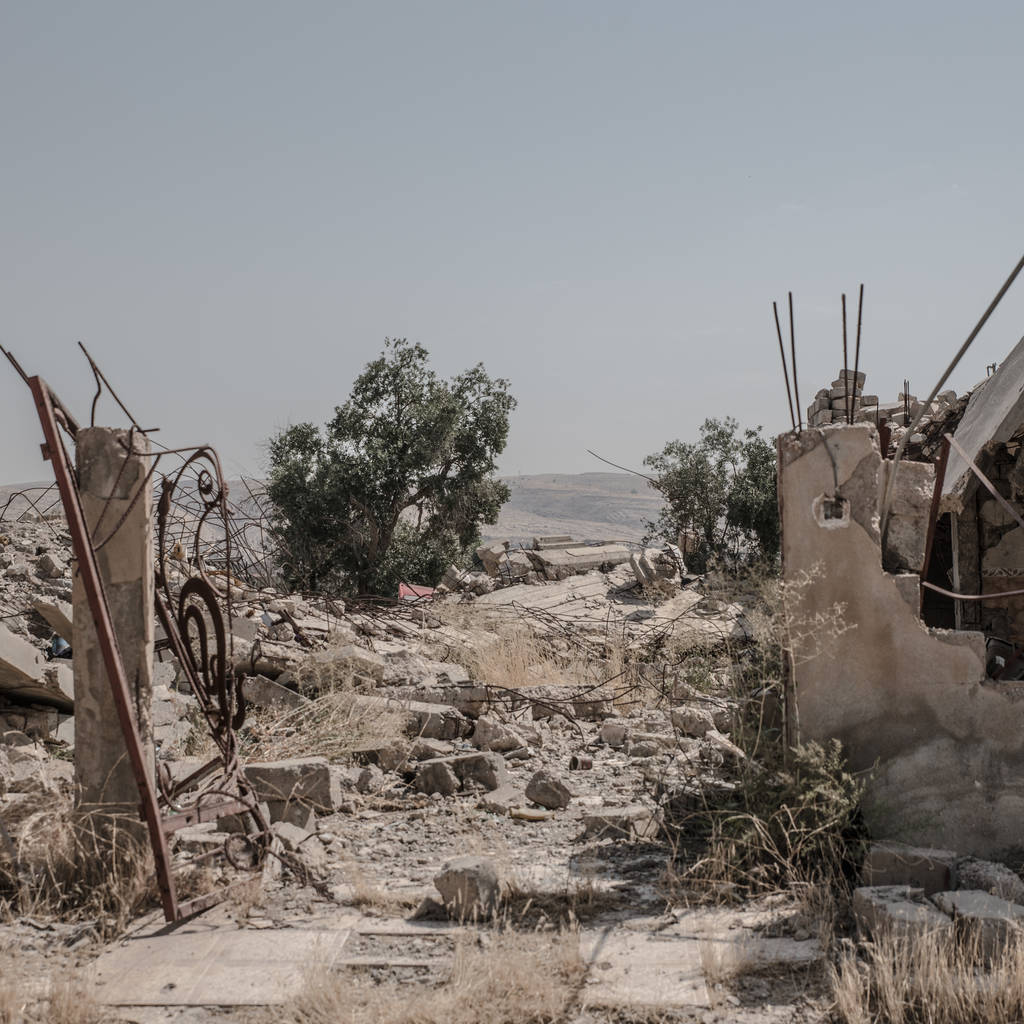
Life in displacement
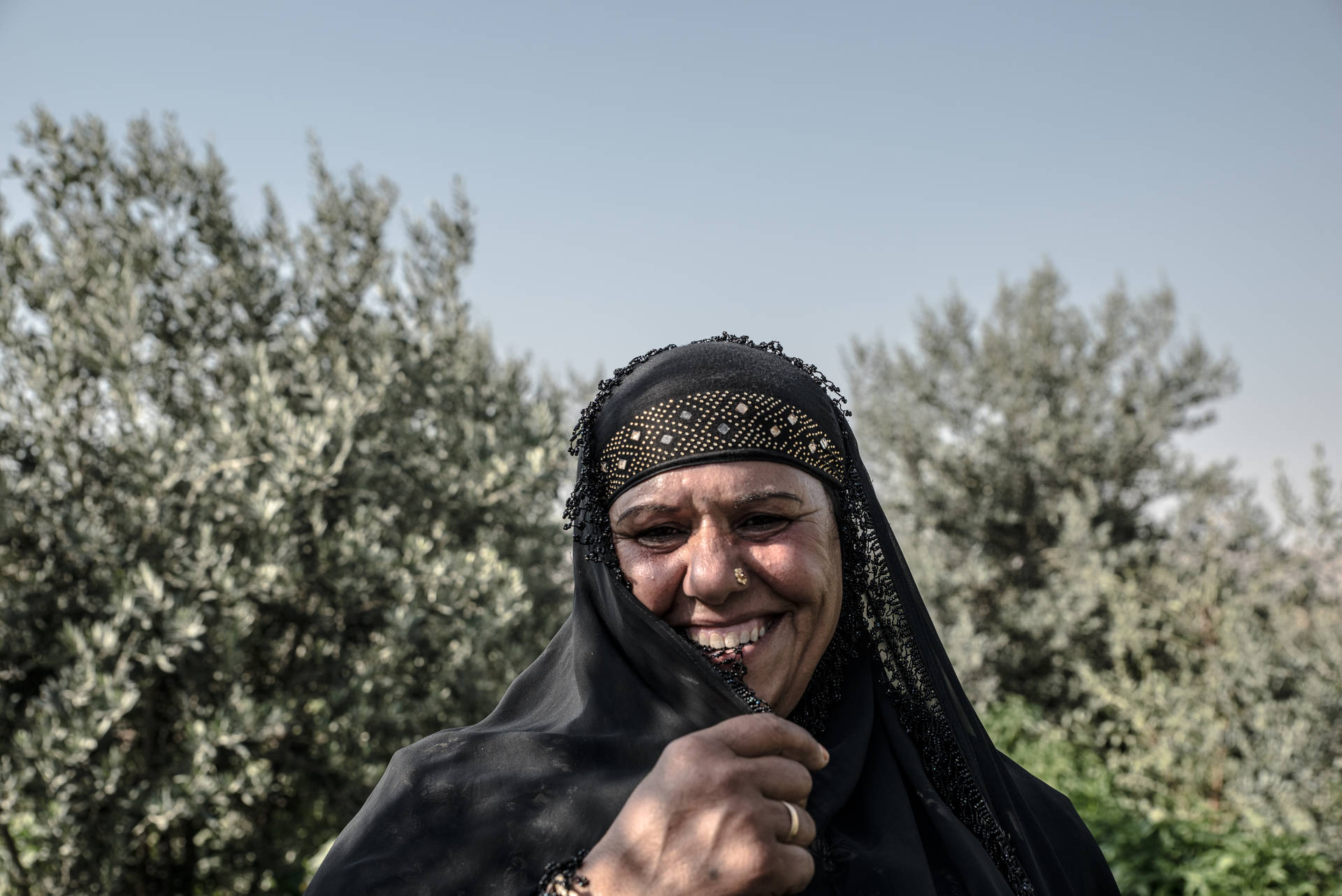
Life as a displaced family was very difficult, especially in the first camp they arrived at.
“There weren’t even latrines, no clean water nor support from anyone... We couldn’t stay in the camp because of the inhumane living conditions there, so we decided to move again.”
“There weren’t even latrines, no clean water nor support from anyone... We couldn’t stay in the camp because of the inhumane living conditions there, so we decided to move again.”
It was like a ghost town
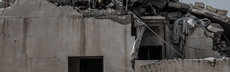
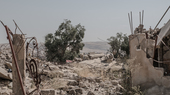
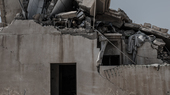
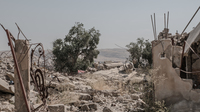
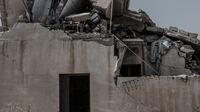
"When we heard our village was liberated, we were very excited to return home... but it was like a ghost town."
Mahdia
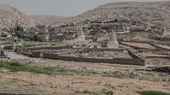
After the area was retaken from ISIL in 2016, people slowly started to return to what had once been their homes. There, they found their livelihoods had been mostly destroyed. Moreover, ethnic tensions were on the rise in the aftermath of the conflict and the economic situation was not optimistic.
Mahdia
After the area was retaken from ISIL in 2016, people slowly started to return to what had once been their homes. There, they found their livelihoods had been mostly destroyed. Moreover, ethnic tensions were on the rise in the aftermath of the conflict and the economic situation was not optimistic.
When emigrating is your name
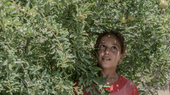
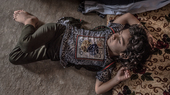
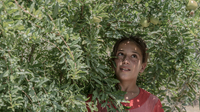
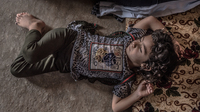
Safda youngest daughter, Suha, was born while the family was displaced to Aqrah, in Iraqi Kurdistan, northern Iraq.
Suha's siblings and parents often call her by the nickname "Hajar", which comes from a verb meaning “to migrate."
"At that time it seemed like there was no time for life or hope," says her mother. "But then Suha arrived and life went on."
Suha's siblings and parents often call her by the nickname "Hajar", which comes from a verb meaning “to migrate."
"At that time it seemed like there was no time for life or hope," says her mother. "But then Suha arrived and life went on."
The garden
A kitchen garden that means the world
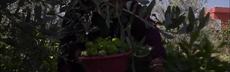
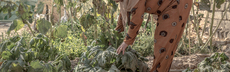
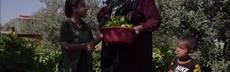
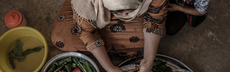
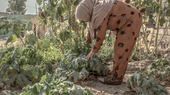
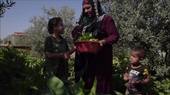
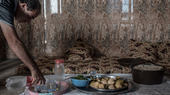
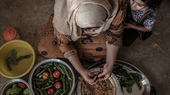
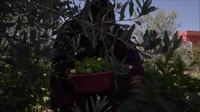
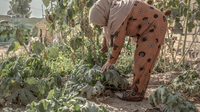
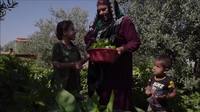
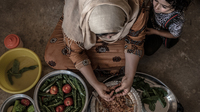
To help returned families like Mahdia’s, a project by People in Need, Yazda and the World Food Programme supported women to create kitchen gardens and grow vegetables such as eggplants, garlic, zucchini, pepper and parsley. These now supply the daily needs of households and can be sold for a small income.
Project
Goto first page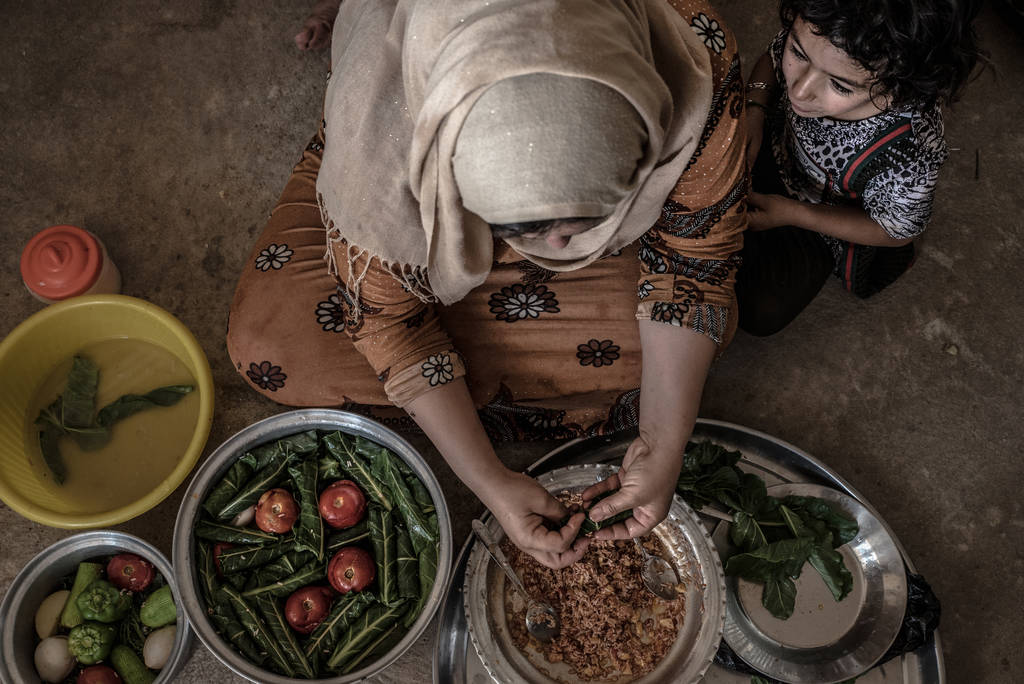
Scroll down to continue
Swipe to continue
Swipe to continue



 Growing a future in North Iraq
 Mahdia lives near Mosul
 We could only save our lives
 Life in displacement
 It was like a ghost town
 Before Islamic State
 Safda recovering from displacement
 When emigrating is your name
 A kitchen garden that means the world
 Cooking
 Despite all
 The project